
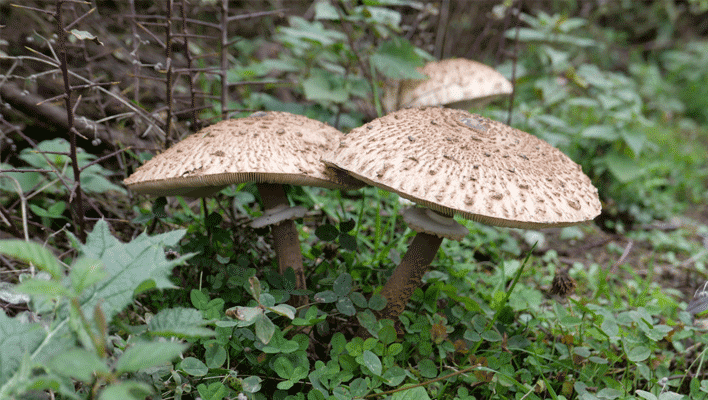
Finding mushrooms popping up in your yard can be surprising — and sometimes a little unsettling. You may be asking yourself, why are mushrooms growing in my yard? Before reaching for harsh chemicals, it helps to understand why mushrooms grow in lawns, what they mean for your grass, and how to manage them naturally.
Mushrooms are actually a sign of a healthy ecosystem in many cases. They’re nature’s recyclers, breaking down organic matter in your soil.
In this article, we’ll explore the common reasons for mushrooms appearing in your yard, when they might be a problem, how to control them, and answers to frequently asked questions.
What Are Yard Mushrooms?
Mushrooms are the fruiting bodies of fungi — similar to apples on an apple tree. The visible mushroom is only the reproductive structure; the actual organism, called mycelium, lives unseen in the soil and thatch.
When conditions are right — usually moist, warm soil — mushrooms sprout to spread spores.
Most mushrooms in lawns are beneficial decomposers that help break down old roots, tree stumps, and organic debris.
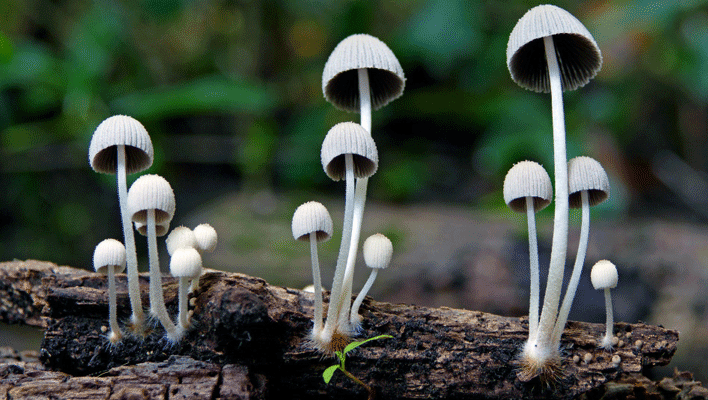
Common Reasons Mushrooms Grow in Lawns
1. Moisture and Rainfall
Fungi love moisture. If your yard has had heavy rain, frequent irrigation, or poor drainage, it creates damp conditions that encourage mushrooms to grow.
Even regular morning dew can be enough when the soil stays consistently moist.
2. Organic Matter in the Soil
Mushrooms thrive where there’s plenty of decaying organic material:
- Buried wood or tree roots
- Old mulch
- Dead grass or leaves
- Tree stumps underground
Fungi break down this matter naturally — and mushrooms are a sign this process is underway.
3. Shade and Reduced Sunlight
Shady lawns, especially near trees, are more likely to have mushrooms. Without direct sun, soil stays cooler and wetter — perfect for fungi.
4. Soil Conditions
Fungi prefer slightly acidic, nutrient-rich soils. If your soil has a lot of organic matter and doesn’t dry out quickly, you may see more mushrooms.
5. Lawn Health and Thatched Grass
Lawns with high thatch — a thick layer of roots, stems, and organic debris — trap moisture and give fungi plenty to feed on.
Are Mushrooms Harmful to Your Yard?
The short answer? Usually no.
Most mushrooms in lawns are not harmful to grass. They’re part of a natural decomposition cycle and do not root into plant tissue like weeds do.
In fact, their presence often indicates a biologically active soil — which can be a good thing for overall lawn health.
However:
- Some mushrooms can be toxic to pets and children if ingested.
- Aesthetically, people may not like how mushrooms look.
- Very large fungal growth can indicate hidden decaying wood, which may affect tree stability.
Common Mushrooms Found in Lawns
Many types of mushrooms grow on grass, but a few frequently appear across U.S. yards:
- Fairy Ring Mushrooms: Circular rings of mushrooms that may form overnight.
- Puffballs: Round, white mushrooms that release spores when touched.
- Ink Caps: Small caps that dissolve into an inky liquid as they age.
- Stinkhorns: Odd-shaped, smelly mushrooms that appear in warm weather.
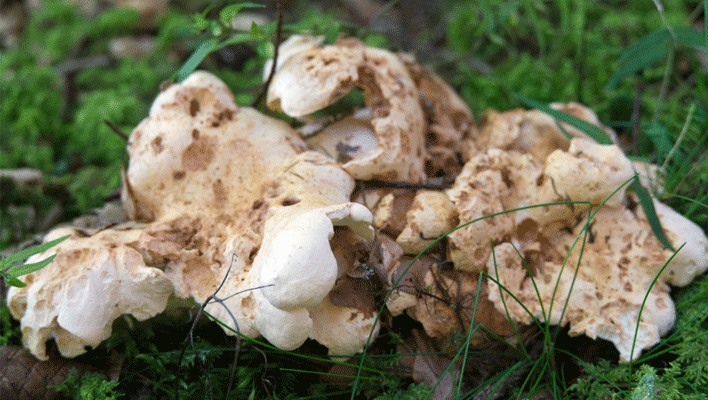
Most are harmless but never assume a mushroom is safe to touch or eat unless positively identified by an expert.
How to Remove Mushrooms From Your Yard
If mushroom growth bothers you, here are safe ways to reduce their presence:
1. Rake and Remove
Physically removing mushrooms prevents spore release. Pull them out and dispose of them in the trash — not your compost.
Wear gloves if you’re unsure about the species.
2. Improve Lawn Drainage
Reducing excess moisture helps deter fungi. Solutions include:
- Adjusting sprinklers
- Aerating compacted soil
- Adding drainage where water pools
3. Reduce Thatched Layers
Core aeration can break up thatch and improve air circulation in the soil. This reduces the moist environment mushrooms like.
4. Limit Shade Where Possible
Pruning tree branches to allow sunlight onto the lawn can help dry the soil more quickly.
5. Avoid Over-Watering
Water deeply but infrequently to encourage healthy grass roots and less surface moisture.
When to Be Concerned About Lawn Mushrooms
Most of the time, mushrooms are harmless. But consider further action if:
- You have pets or young children who might eat them.
- The mushrooms persist even after dry weather.
- You notice lawn decline next to mushroom clusters.
If grass is dying or patchy around the mushrooms, a lawn care professional or extension service may help diagnose underlying issues.
Natural Ways to Prevent Mushrooms Growing in Your Lawn
You don’t need chemicals to keep mushrooms at bay. Try these natural strategies:
- Improve Sunlight Penetration: Trim trees and shrubs.
- Aerate Your Lawn: Break up compacted soil twice a year.
- Remove Organic Debris: Rake leaves and old grass clippings.
- Adjust Irrigation: Water early in the morning and avoid over-saturation.
- Topdress with Sand or Compost: Helps balance soil texture and reduce pockets where fungi thrive.
Should You Use Fungicides?
In most cases, fungicides are unnecessary and don’t fix the root cause (the mycelium underground).
Fungicides may temporarily remove visible mushrooms, but they’re often ineffective long-term and can disrupt beneficial soil organisms.
Only consider commercial fungicides if:
- You are dealing with a specific lawn disease confirmed by an expert.
- Mushrooms are persistent and linked to lawn decline.
Always follow label directions and local safety recommendations.
Mushrooms and Pets: What You Should Know
Many common lawn mushrooms are not safe for pets. Dogs and cats may be attracted to weird smells or textures, but ingestion can cause:
- Vomiting
- Diarrhea
- Lethargy
- Neurological signs in rare toxic species
Keep pets away from mushroom patches and remove visible growth promptly. If ingestion is suspected, contact your veterinarian immediately.
FAQ: Mushrooms Growing in Yard
Q: Why are mushrooms growing in my yard after rain?
Rain and moisture trigger fungi to produce mushrooms. The water softens soil and provides ideal conditions for spore germination.
Q: Are mushrooms good for my lawn?
Yes — they’re decomposers. Mushrooms break down organic matter and recycle nutrients back into the soil.
Q: Can I eat mushrooms from my lawn?
No. Wild lawn mushrooms should not be eaten unless identified with 100% certainty by a mycology expert. Many species are toxic.
Q: Do mushrooms mean my soil is unhealthy?
Not necessarily. Often they indicate rich organic matter and active microbial life. Only when mushrooms accompany dying grass should you worry.
Q: How can I stop mushrooms from growing in my lawn?
Improve drainage, reduce thatch, adjust watering, and remove organic debris. Keeping the lawn less hospitable to fungi deters growth.
Q: Do lawn mushrooms spread quickly?
Mushrooms don’t “spread” in the same way weeds do. They pop up when conditions are right, but the underlying mycelium network may already be well-established.
Final Thoughts
Mushrooms growing in your yard can be surprising, but they’re rarely a sign of trouble. In most cases, they’re nature doing its job — breaking down organic material and contributing to soil health.
With proper lawn care — including drainage improvements, mowing habits, and moisture management — you can minimize unwanted mushroom growth while keeping your grass lush and beautiful.
If you’re ever unsure about a mushroom species or lawn health issues, a local extension office or lawn care specialist can offer personalized guidance.